Introduction
In the fast-paced world of forex, jumping into random trades is a recipe for confusion and blown accounts. Successful traders don’t chase they plan. And one of the simplest yet most powerful tools for that is a weekly watchlist for forex success.
Creating a weekly watchlist for forex each weekend or Monday morning helps you filter out noise, focus only on high-probability setups, and stay disciplined throughout the week. In this guide, we’ll walk you through the process of building a clean, actionable watchlist that supports your strategy and time availability.
Step 1: Review the Past Week’s Action
Before you look ahead, look behind.
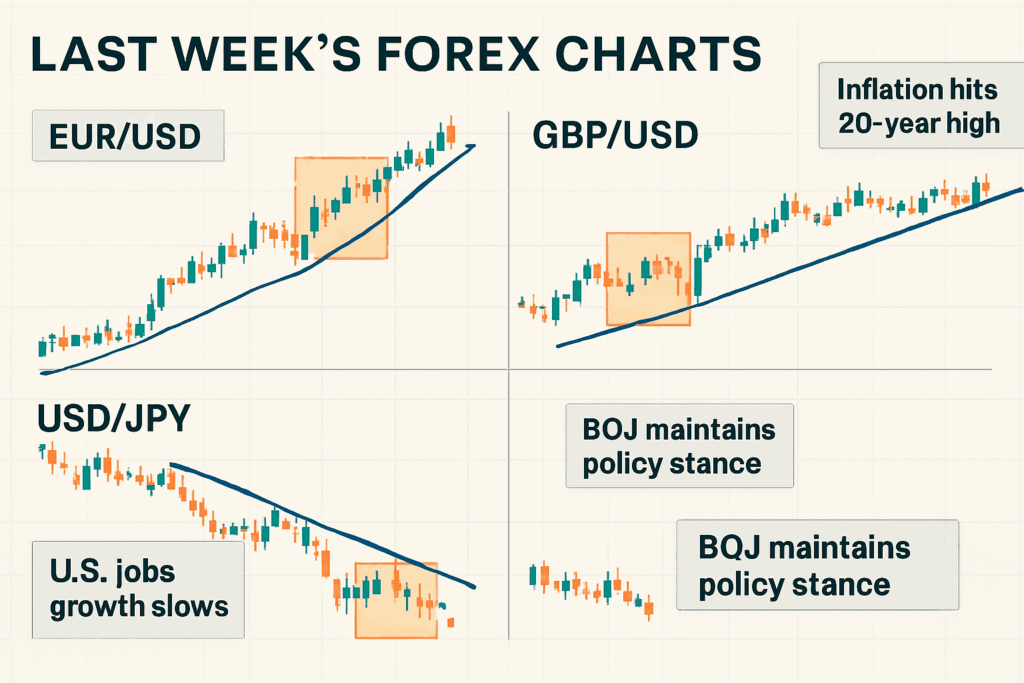
Spend a few minutes reviewing last week’s major moves across the top forex pairs, commodities, and indexes. You’re not just checking for missed trades you’re looking for context.
Ask yourself:
- Which pairs trended strongly?
- Which consolidated or ranged?
- What major events moved the market?
This helps you spot continuation potential or reversal zones heading into the new week.
Step 2: Check the Economic Calendar
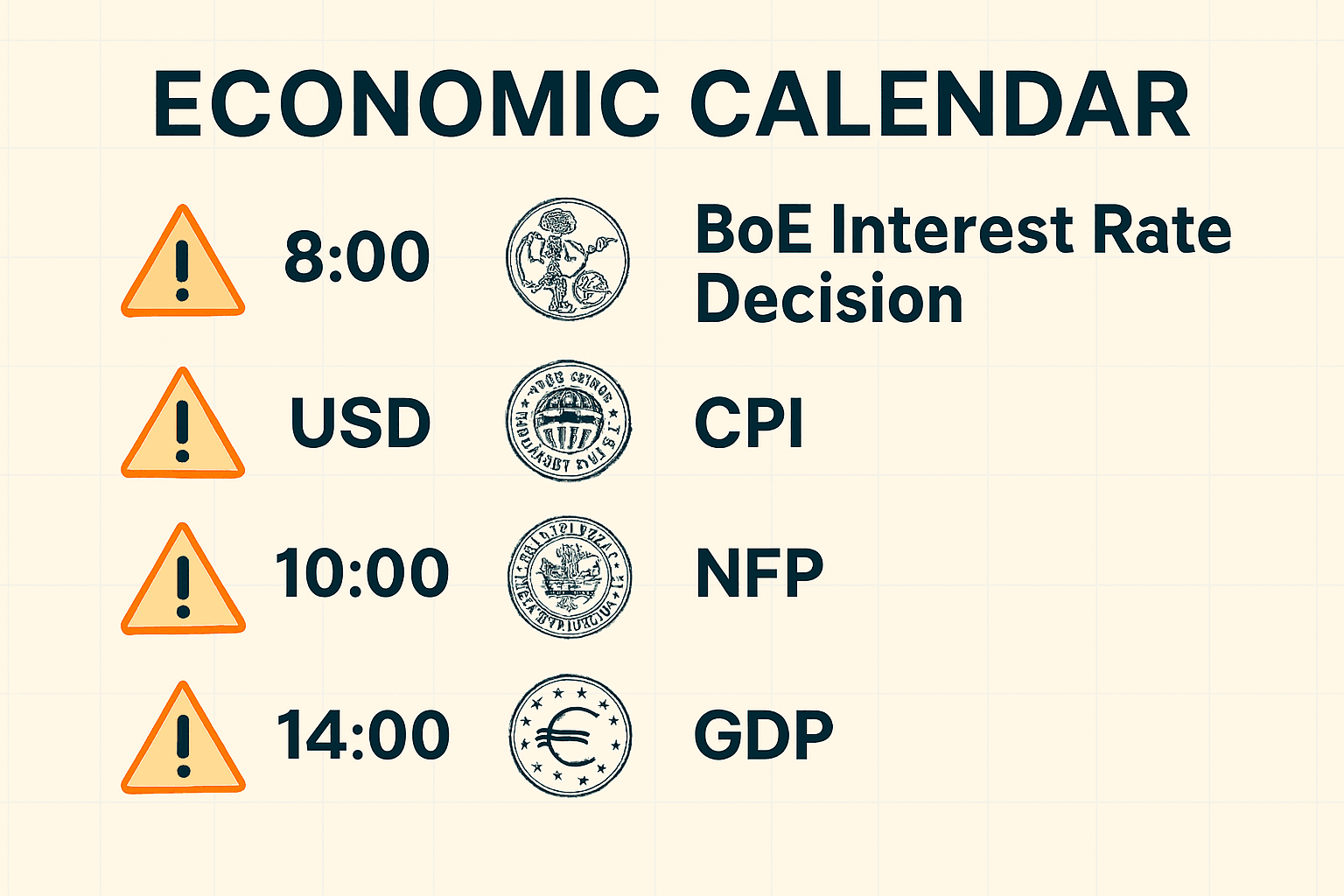
Next, pull up an economic calendar (like Forex Factory, Investing.com, or Myfxbook) and filter by high-impact events.
Identify:
- Central bank meetings or speeches
- Inflation data (CPI, PCE)
- Employment data (NFP, jobless claims)
- GDP or PMI releases
Highlight the days and pairs most likely to be affected. For example, if there’s a BoE interest rate decision on Thursday, GBP pairs need to be on your radar.
Pro tip: Mark these dates right on your charts or in your digital planner so you don’t get blindsided mid-week.
Step 3: Scan the Charts – Top-Down Analysis
Now it’s time to hit the charts.
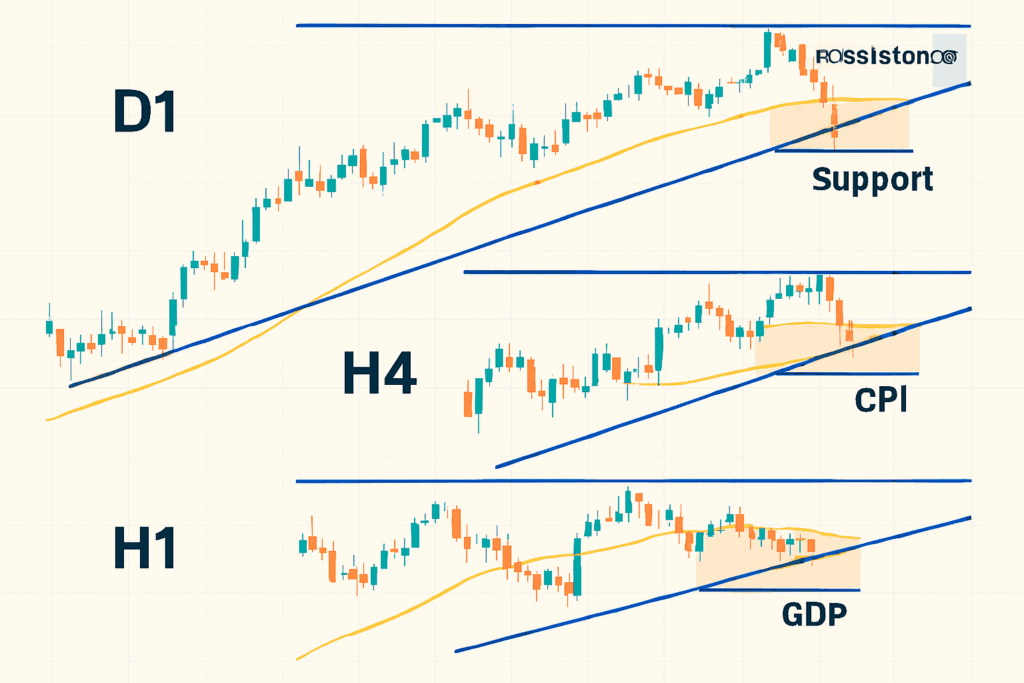
Use a top-down approach, starting with the daily timeframe, then moving into 4H and 1H to fine-tune.
Here’s what to look for:
- Clear trend direction: Bullish, bearish, or sideways
- Major support and resistance levels: Look for zones with multiple touches or rejections
- Candlestick structure: Watch for reversals, breakouts, or compression zones
- Confluences: Trendlines, Fibonacci levels, moving averages lining up with price zones
You don’t need to analyze 30+ pairs. Focus on 5 to 7 high-quality charts that offer clean setups with a combination of technical and fundamental alignment.
Step 4: Choose Your A-Setups
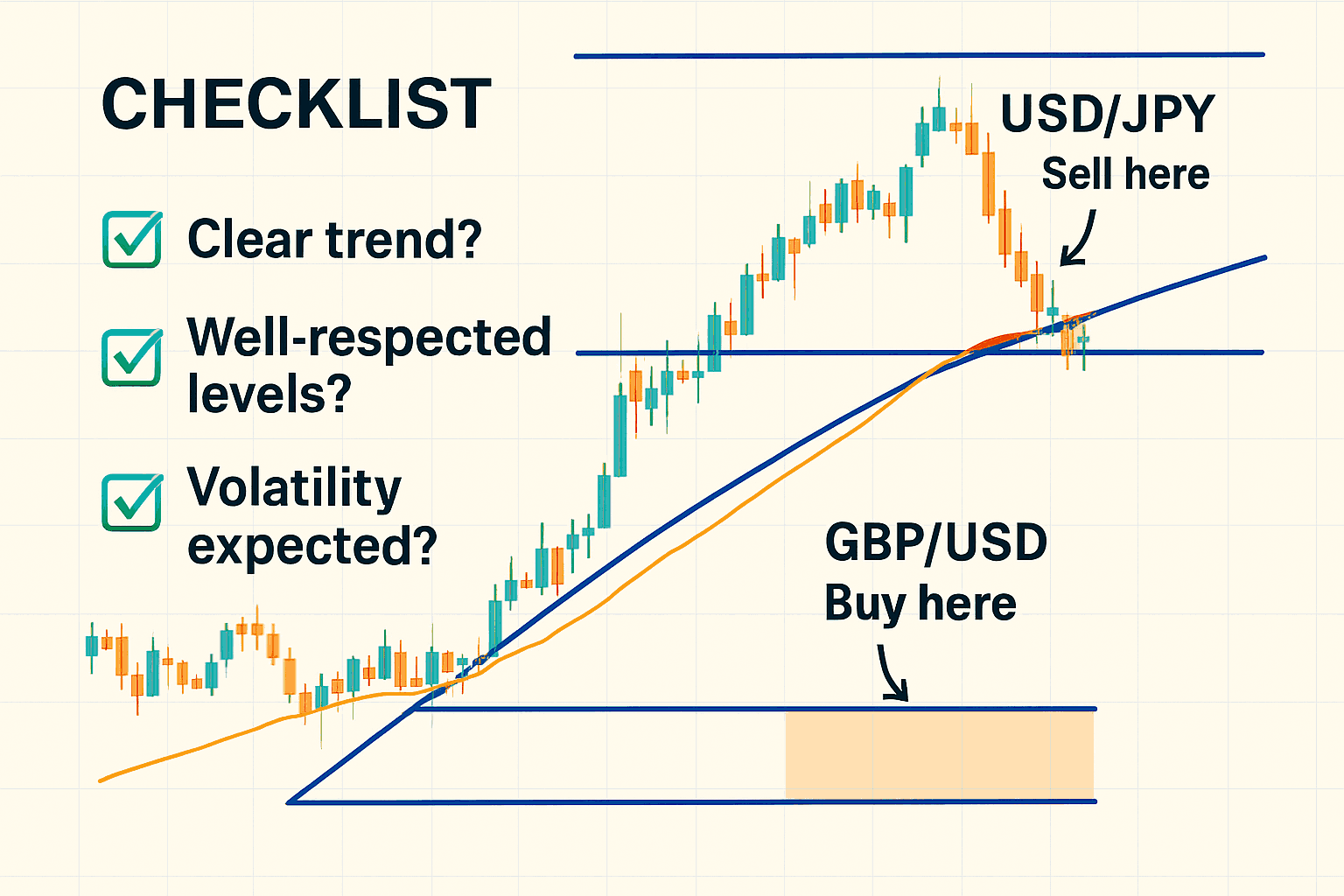
Not every pair that looks “interesting” should go on your watchlist. Your goal is to find only the pairs with strong potential for the week ahead.
Here’s how to qualify them:
- Is the market trending clearly or breaking out of a range?
- Are price levels well-respected (not choppy)?
- Do upcoming news events offer potential volatility or caution?
- Does the setup align with your strategy (e.g., pullback entry, breakout trade, reversal scalp)?
Only add high-probability setups not “maybe” trades.
Each watchlist pair should come with a clear trade idea, like:
- “GBP/USD: Look for rejection at 1.2750 zone. Bearish bias if no breakout.”
- “USD/JPY: Watch for long entries on pullback to 157.50 support. Risk on if DXY remains strong.”
Step 5: Set Alerts and Prepare Zones
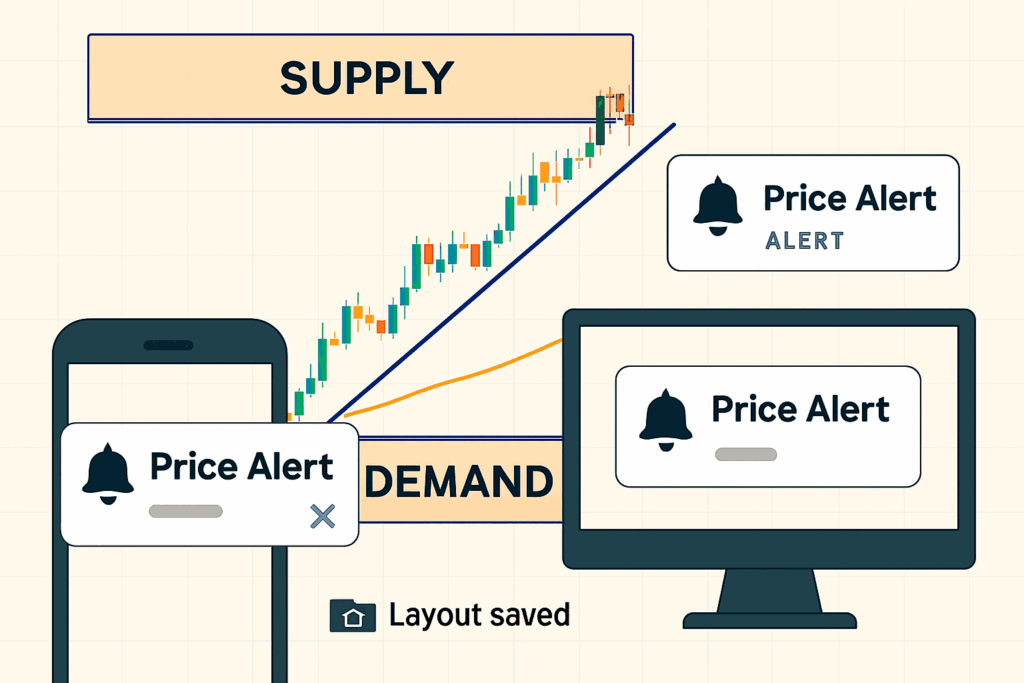
Once your watchlist is built, prep your charts with zones, not exact prices.
Draw:
- Supply and demand zones
- Support/resistance ranges
- Key breakout levels
- Trendline bounces
Then, set price alerts near these levels so you get notified when the market enters your zone. This lets you react to the setup not the noise.
Bonus tip: Save your marked-up charts as a layout or screenshot so you can review progress midweek.
Step 6: Review, Refine, and Repeat
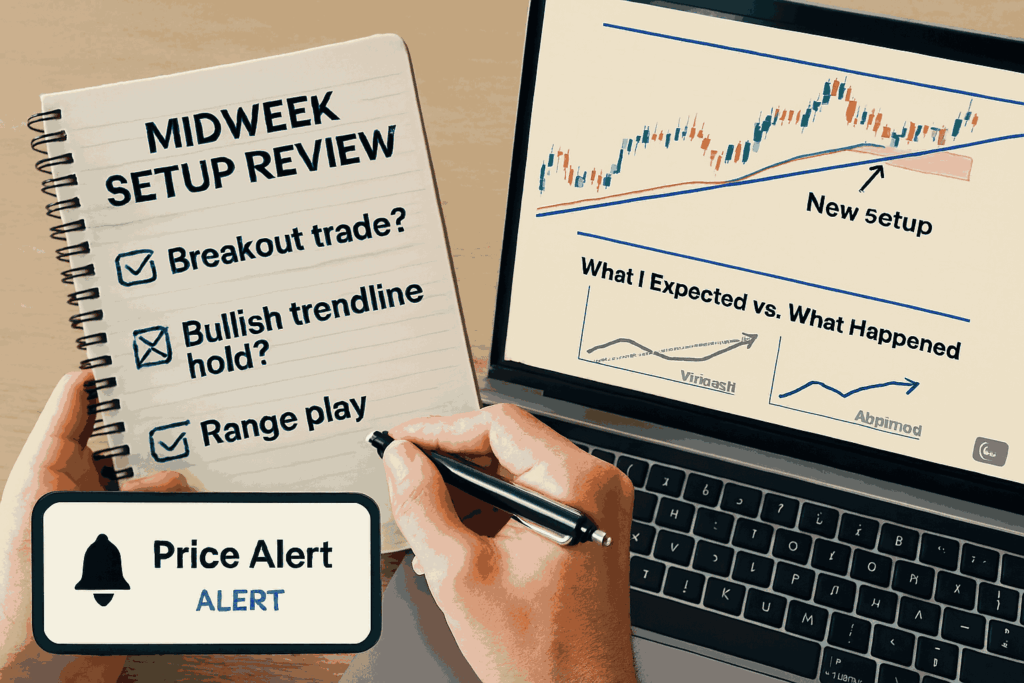
Your watchlist isn’t static it evolves.
Midweek, check back in:
- Are your zones being respected?
- Have new opportunities emerged?
- Did major news shift the bias?
Refine your list, remove dead setups, and focus on what’s still valid. Don’t hesitate to adjust but always do it with intention, not emotion.
By the end of the week, use your watchlist as a learning tool. Compare what you expected vs. what happened. This improves your edge every week.
Sample Weekly Watchlist (For Inspiration)
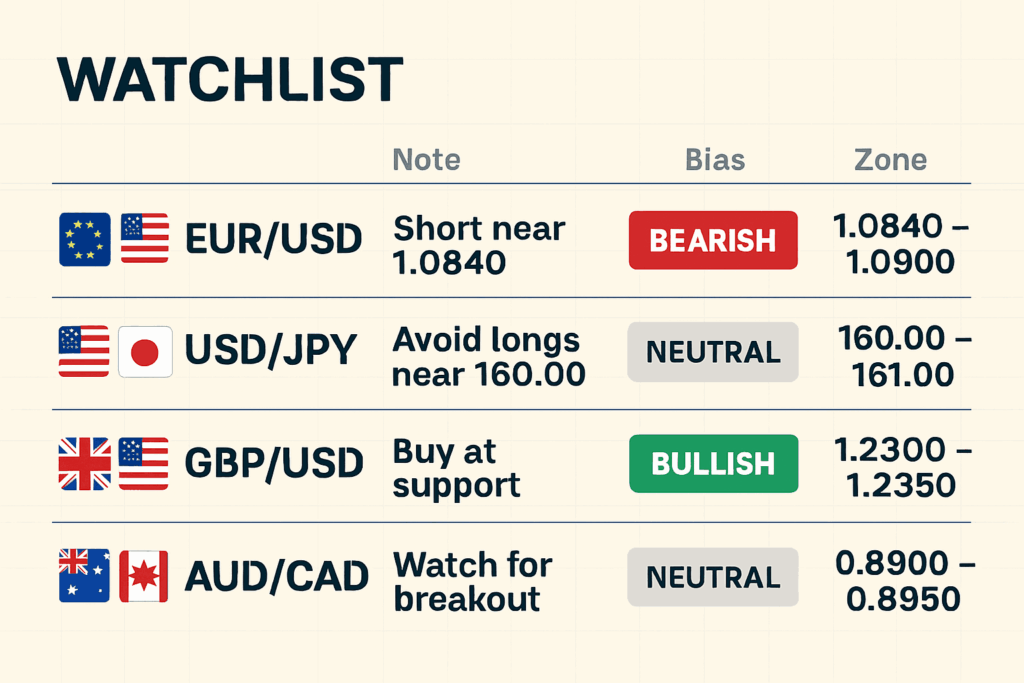
- EUR/USD: Watching 1.0840 zone for short rejections. Range-bound risk.
- GBP/USD: Bullish above 1.2700, targeting 1.2850.
- USD/JPY: Avoiding longs near 160.00 – risk of MoF intervention.
- XAU/USD: Support at $2,330 holding. Potential bounce toward $2,360.
- AUD/USD: Looking for long setups above 0.6660 zone. Risk-on correlation with China data.
Conclusion

A weekly watchlist is more than just a list of pairs it’s your game plan. It helps you stay focused, cut out emotional decisions, and approach the market like a strategist not a gambler.
With just 30-45 minutes of focused planning each weekend, you can walk into every trading week with clarity, confidence, and purpose. Whether you’re trading full-time or in short bursts around your busy schedule, your watchlist will become your most trusted tool.