Introduction
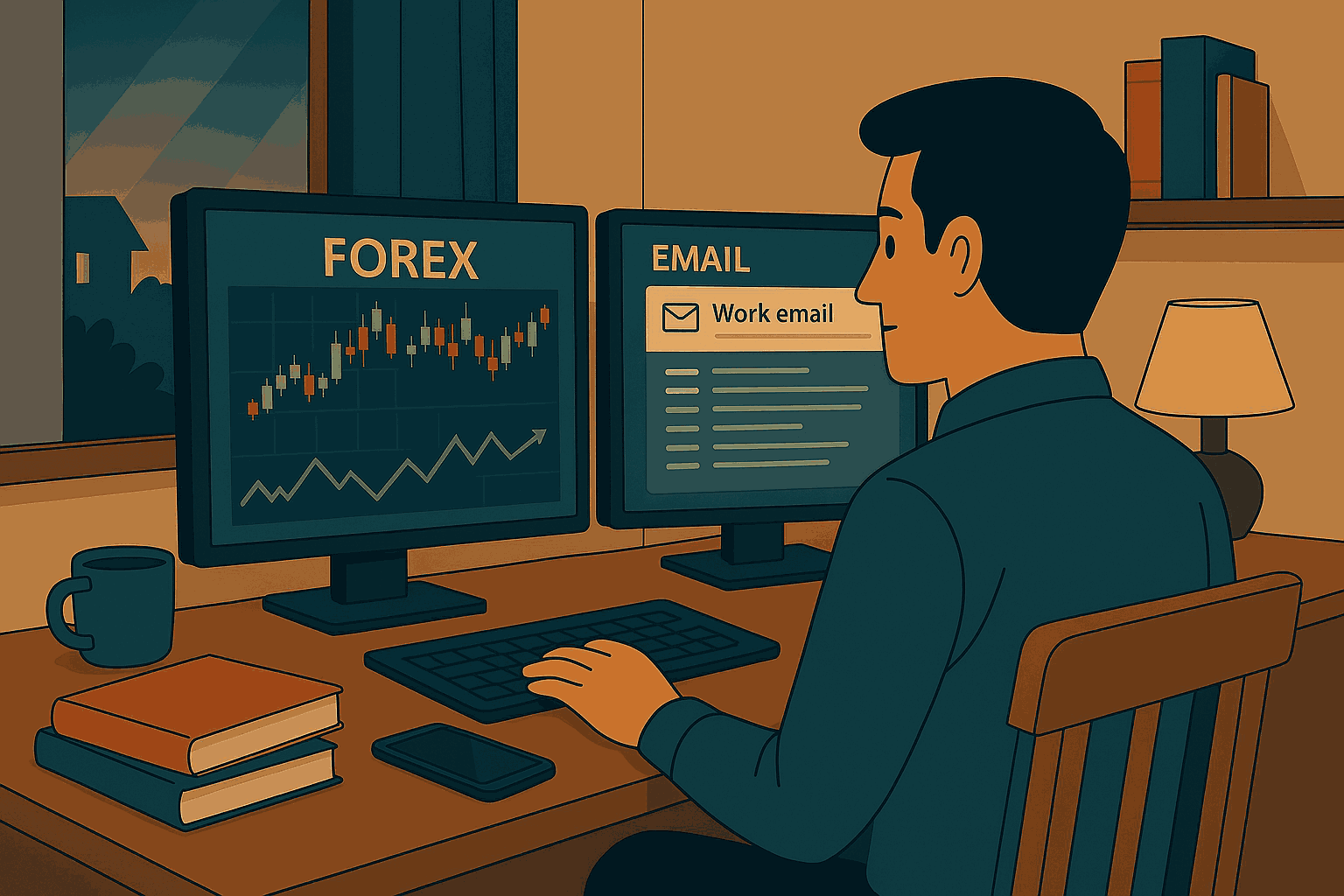
Balancing a full-time job with forex trading may sound impossible, but thousands of traders successfully do it every day. With the right strategy and discipline, even the busiest professional can participate in the forex market without sacrificing their career. In this guide, we’ll show you how to trade smart not more and build consistent results over time.
1. Choose the Right Trading Style for Your Schedule
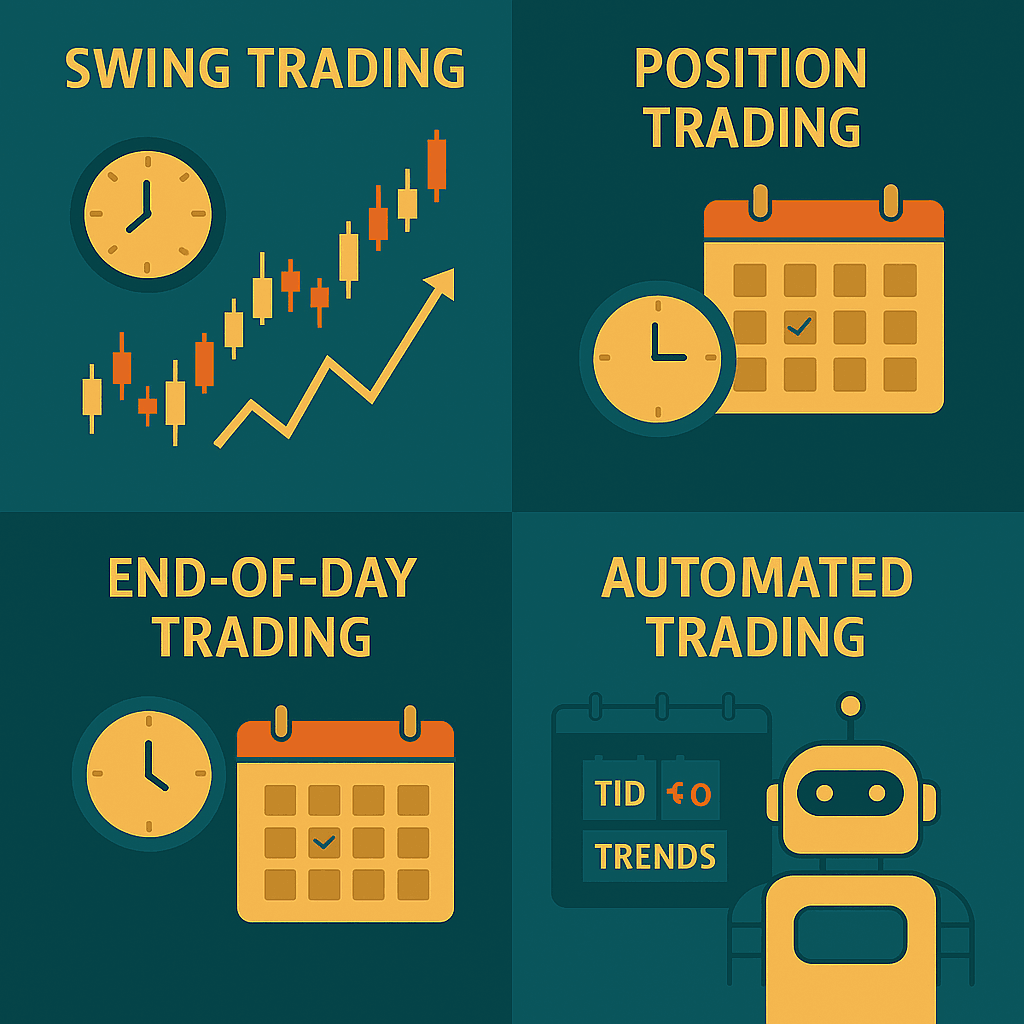
Not all trading styles require you to monitor charts all day. Choose one that fits your lifestyle:
- Swing Trading – Ideal for busy professionals. You hold positions for days or weeks and only need to check charts a few times a day.
- Position Trading – Perfect if you only have time on weekends or evenings. Trades last weeks to months.
- End-of-Day Trading – Analyze the market and place trades after work, usually around the close of the New York session.
- Automated Trading (EAs) – Let algorithms manage trades for you while you focus on your job.
2. Use Time Zones to Your Advantage
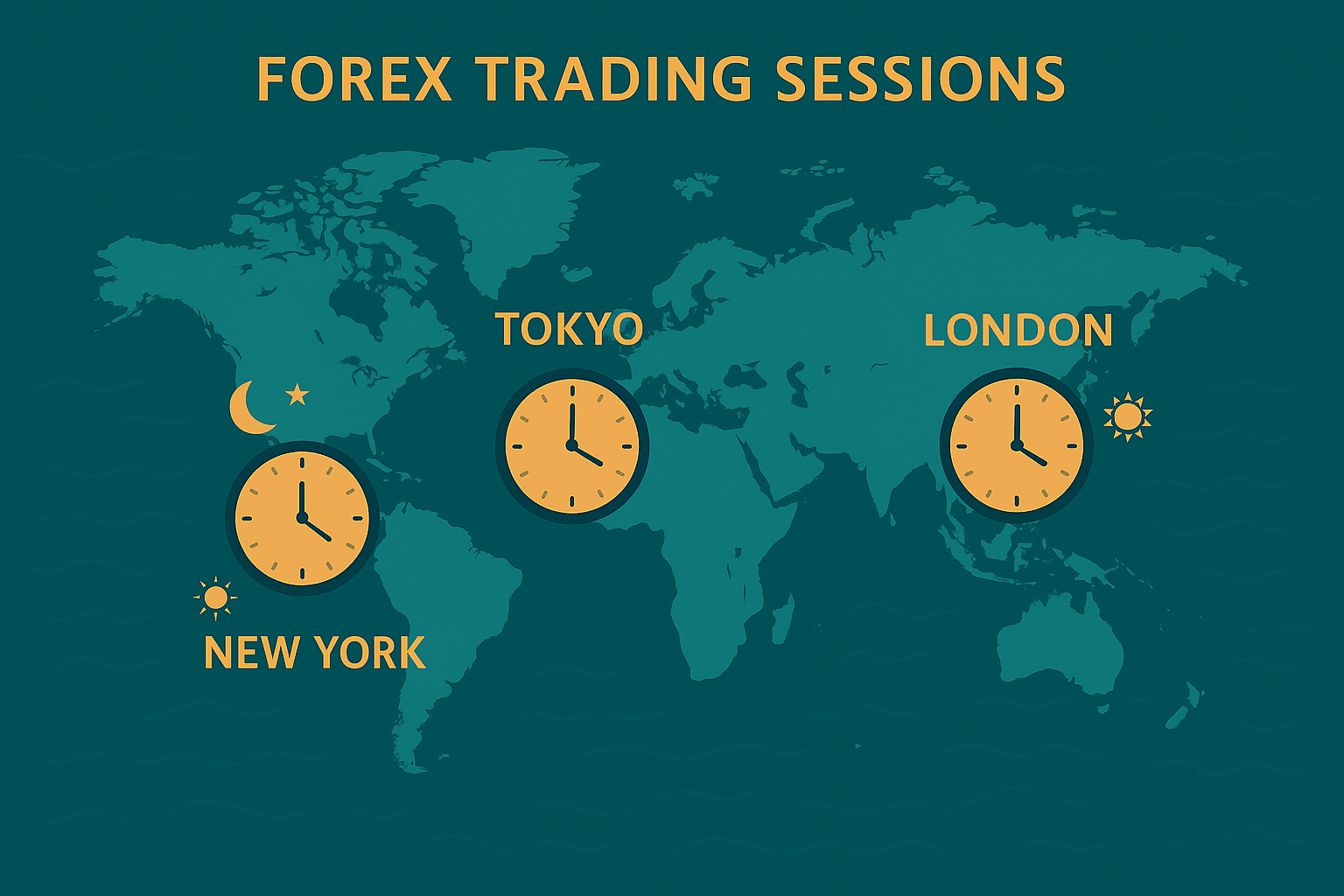
The forex market operates 24 hours a day, from Monday to Friday. Plan your trading around the sessions that suit your free time:
- Asia Session (Tokyo) – Active during early morning (ideal for early risers in Europe or night owls in the U.S.).
- London Session – Overlaps with many work breaks in Europe and morning hours in the U.S.
- New York Session – Perfect for after-work analysis and trades, especially for American time zones.
3. Focus on Major Currency Pairs
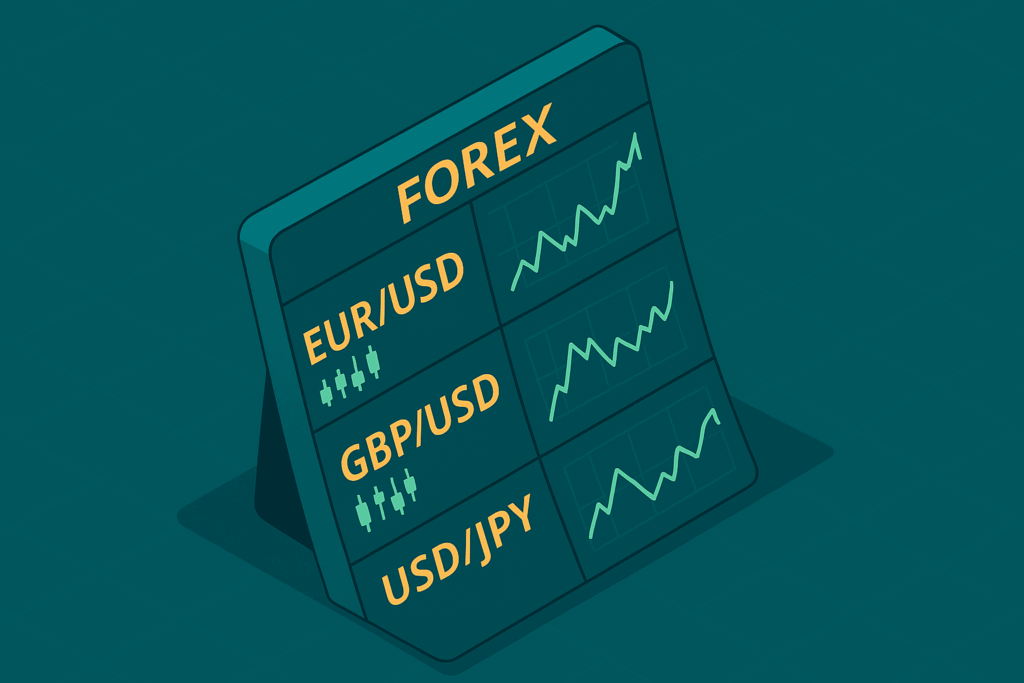
Stick to the most liquid pairs like:
- EUR/USD
- GBP/USD
- USD/JPY
These pairs usually have tighter spreads, higher volume, and predictable behaviour making them ideal for limited screen time.
4. Simplify with a Set-and-Forget Strategy

Develop a routine that lets you:
- Analyze the charts during a specific time (e.g., after dinner)
- Place trades with stop-loss and take-profit levels
- Let the market do the rest while you focus on your job
Use tools like:
- MetaTrader alerts
- TradingView notifications
- Mobile trading apps to stay updated without constant monitoring
5. Use Technology to Stay Ahead
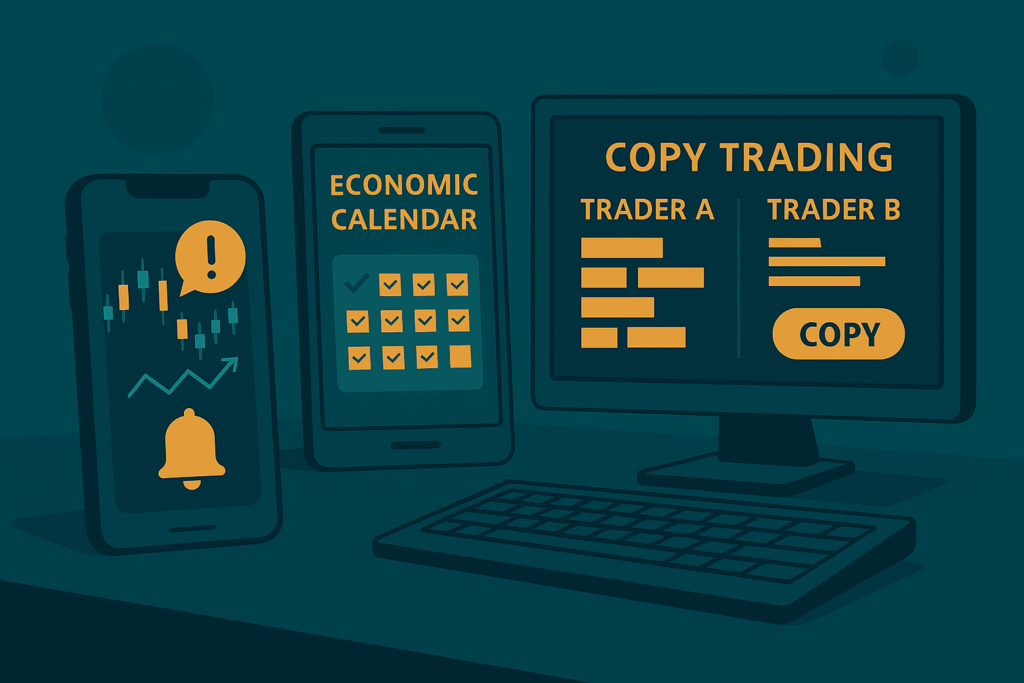
Busy professionals must work smart:
- Economic Calendars – Stay aware of major events using apps like MyFxBook or ForexFactory.
- Automated Alerts – Set price or indicator alerts to know when action is needed.
- Copy Trading – Platforms like ZuluTrade or eToro allow you to copy experienced traders.
6. Limit Your Screen Time
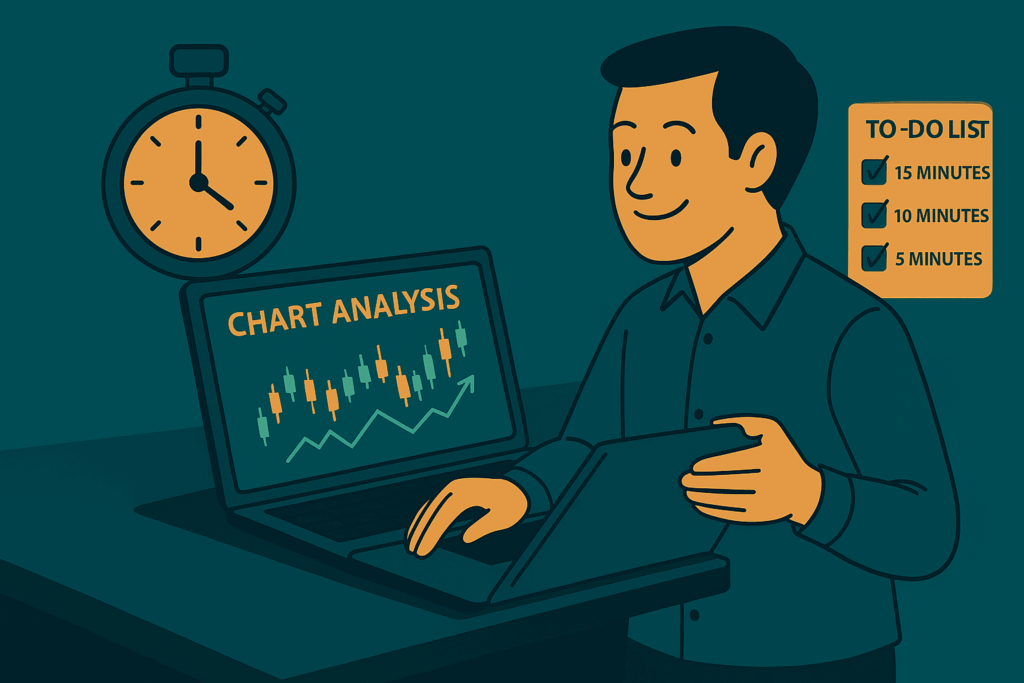
You don’t need to be glued to charts all day. Create a routine:
- 15–30 minutes a day for analysis
- 10 minutes to place trades
- 5 minutes for tracking performance
This discipline helps avoid overtrading and emotional decisions.
7. Keep a Trading Journal
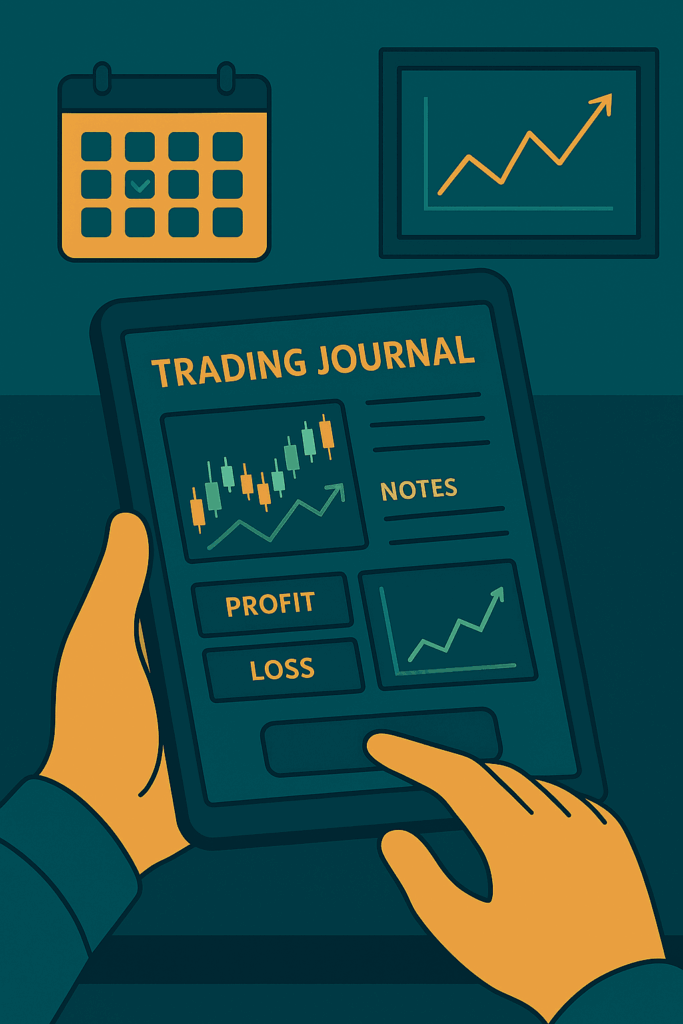
With limited time, tracking your progress is vital:
- Note your entries, exits, reasons, and outcomes
- Review weekly to spot mistakes and refine your strategy
- Use tools like Notion, Excel, or journaling apps built for traders
8. Stay Consistent and Patient

Your progress may feel slow, but consistency compounds over time. Stick to your plan, trust your strategy, and never risk more than you can afford to lose.
Conclusion

Trading forex while managing a full-time job is not only possible it’s practical with the right structure. By using time-efficient strategies, staying disciplined, and leveraging tools designed for part-time traders, you can make real progress in the markets without quitting your day job.